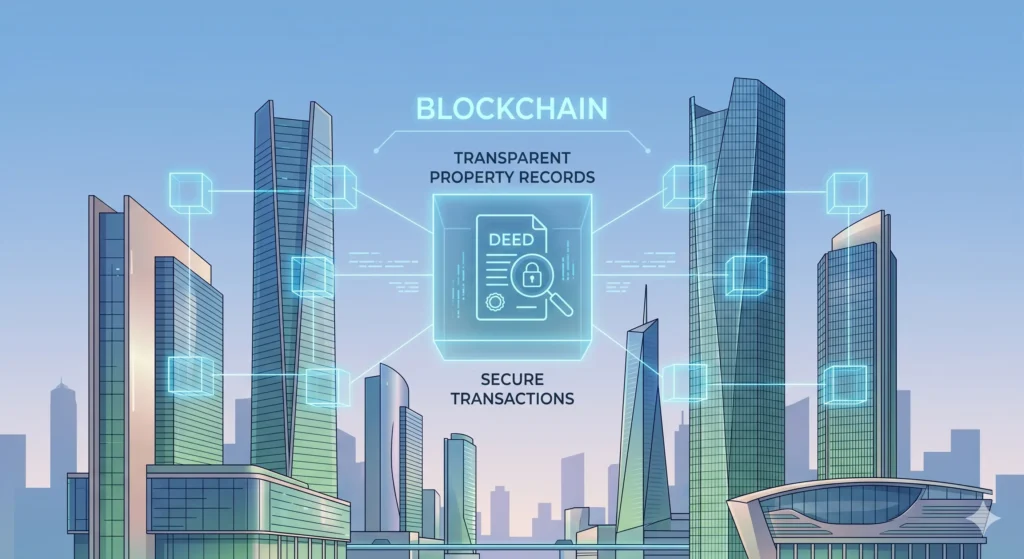
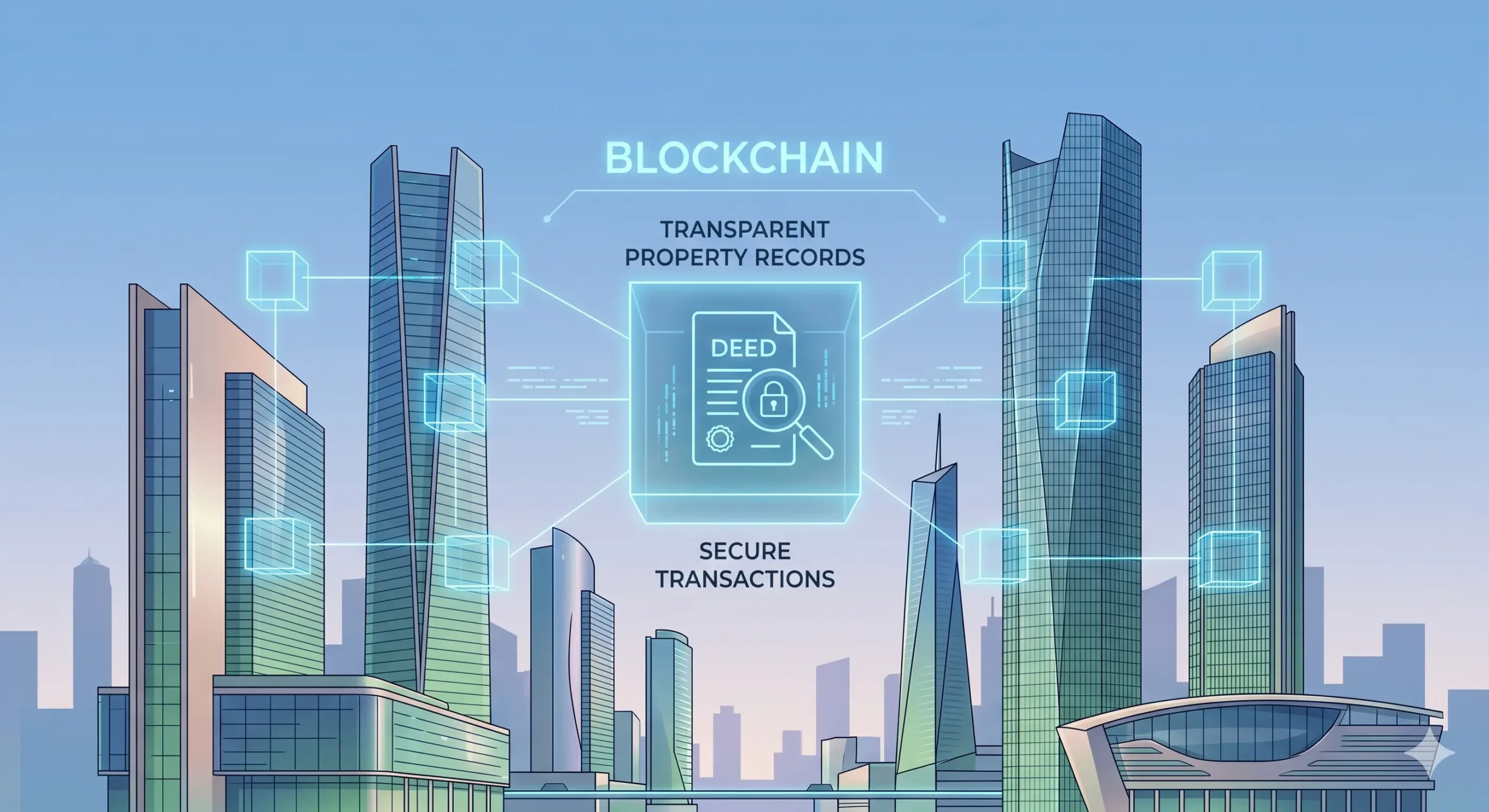
While blockchain technology is often associated with the speculative nature of cryptocurrencies, its true value lies in its fundamental properties: a secure, decentralized, and transparent ledger. Beyond the world of decentralized finance, blockchain technology is being applied to solve significant challenges in other critical industries, including real estate.
Real estate transactions are famously complex, involving multiple parties and a significant amount of paperwork. For many, the long and costly process of buying or selling a home is a source of frustration. Blockchain technology can simplify and optimize the real estate transaction process, making it more efficient and secure.
Blockchain applications for real estate include:
- Efficient Land Titles and Deeds: Public land records can be securely stored on a blockchain, reducing fraud and streamlining the title search process.
- Smart Contracts for Property Transactions: Smart contracts can automate the transfer of ownership, reducing the need for intermediaries and speeding up the transaction process.
- Fractional Ownership of Real Estate: Properties can be tokenized, allowing investors to buy and sell fractional shares of real estate, which increases liquidity and makes real estate investing more accessible.
- Supply Chain Transparency in Construction: Materials can be tracked on a blockchain, providing visibility into the construction supply chain and ensuring quality control.
What makes blockchain technology so compelling for real estate?
- Decentralization: No single party controls the ledger, reducing the risk of fraud and improving transparency.
- Security: Cryptographic algorithms protect the integrity of the data, making it tamper-proof.
- Efficiency: Automated processes reduce the need for manual intervention, making transactions faster and more efficient.
Real estate is a multi-trillion-dollar market ripe for disruption. While the adoption of blockchain technology is still in its early stages, it has the potential to fundamentally transform the real estate industry, making it more efficient, secure, and accessible for everyone.