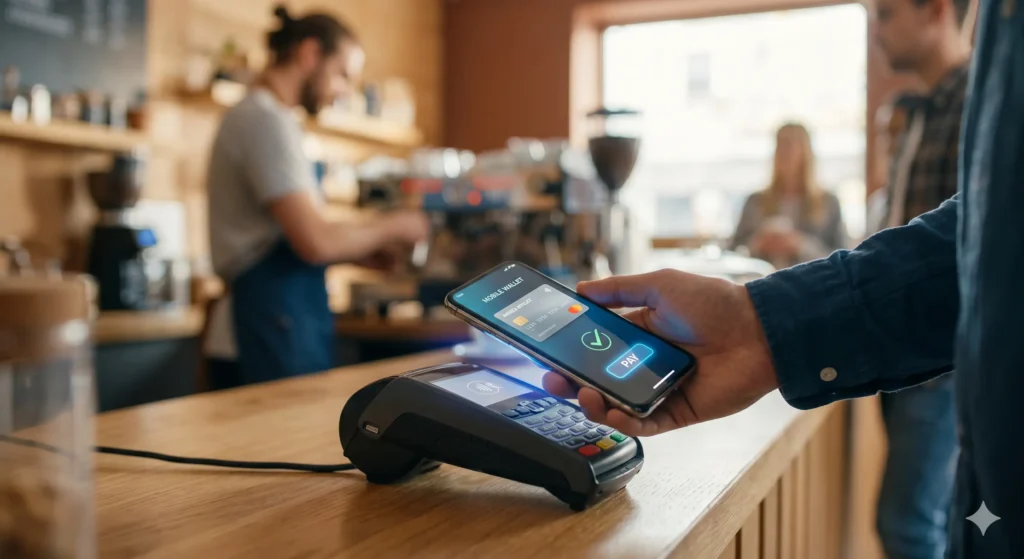
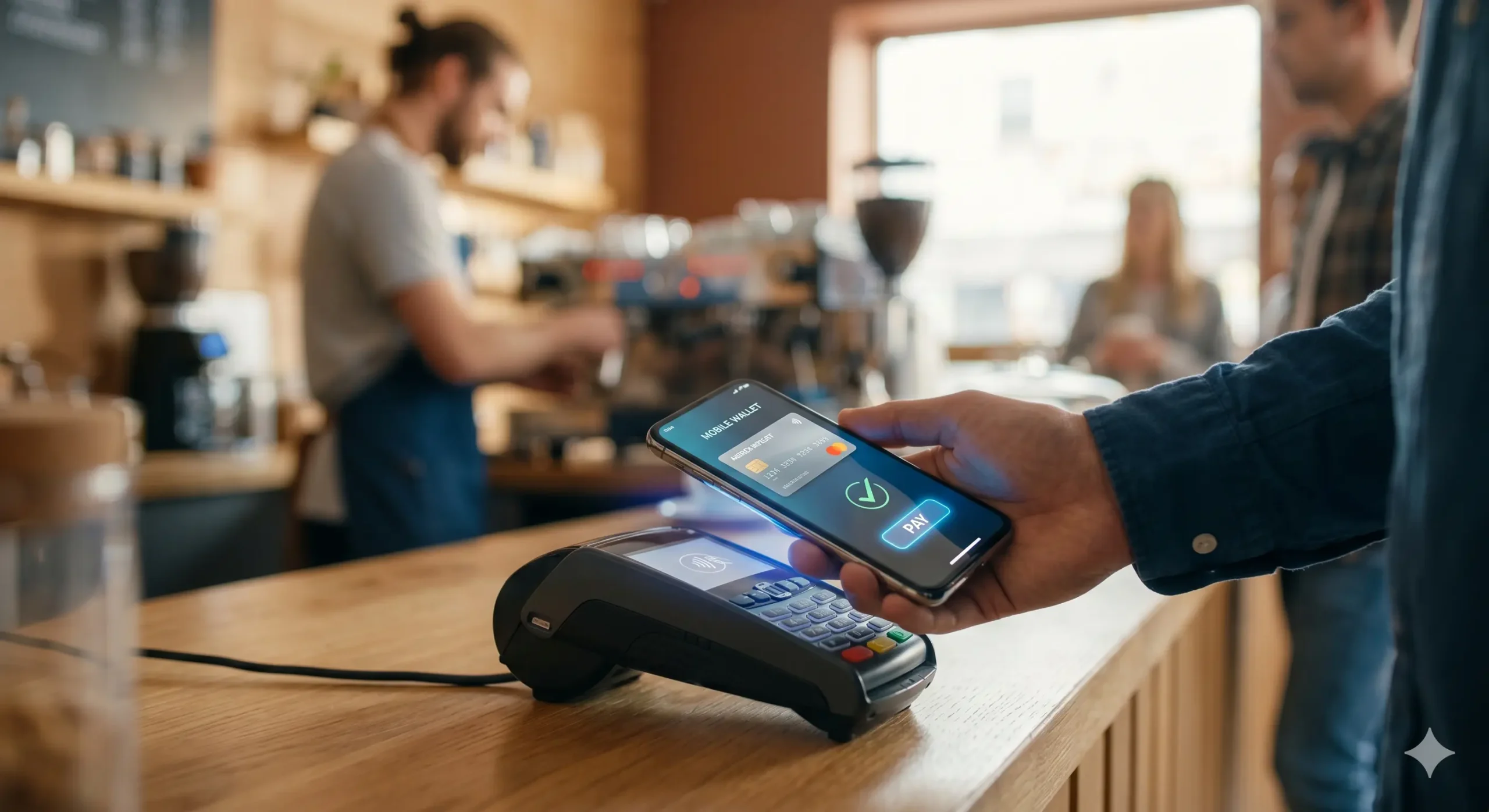
The global shift towards digital payments is accelerating. In many parts of the world, cash is no longer the preferred method of payment, replaced by a convenient and efficient digital ecosystem. At the forefront of this digital payment revolution are mobile wallets.
Mobile wallets are not simply a digitised version of your physical wallet. They are a powerful tool for making frictionless and secure payments on your smartphone, enabling contactless payments, in-app purchases, and even peer-to-peer transfers.
Mobile wallets offer several advantages over cash:
- Convenience and Speed: Fast and easy payments are made possible through contactless technology and online integration.
- Security and Fraud Prevention: Mobile wallets are more secure than cash, using encryption and biometric authentication to protect your financial data.
- Frictionless and Seamless Purchases: Mobile wallets are integrated into a wider range of applications, allowing for seamless and frictionless payments.
- Access to Financial Services for Everyone: Mobile wallets can be used to provide financial inclusion for people who do not have access to traditional banking services.
What makes mobile wallets so compelling for consumers and businesses?
- Ecosystem Integration: Mobile wallets are often integrated into a wider range of services, including loyalty programs, reward schemes, and value-added services.
- Global Adoption and Interoperability: Mobile wallets can be used globally, making it easy to travel and make payments in other countries.
- Data-Driven Insights: Mobile wallets can provide valuable data and insights into consumer spending habits, which can be used to optimize marketing and improve business performance.
Mobile wallets are conquering the world, providing a convenient, secure, and efficient way to make payments in the digital age. As the global shift towards digital payments continues to accelerate, mobile wallets are poised to play an increasingly important role in the global financial ecosystem, making cash a thing of the past.