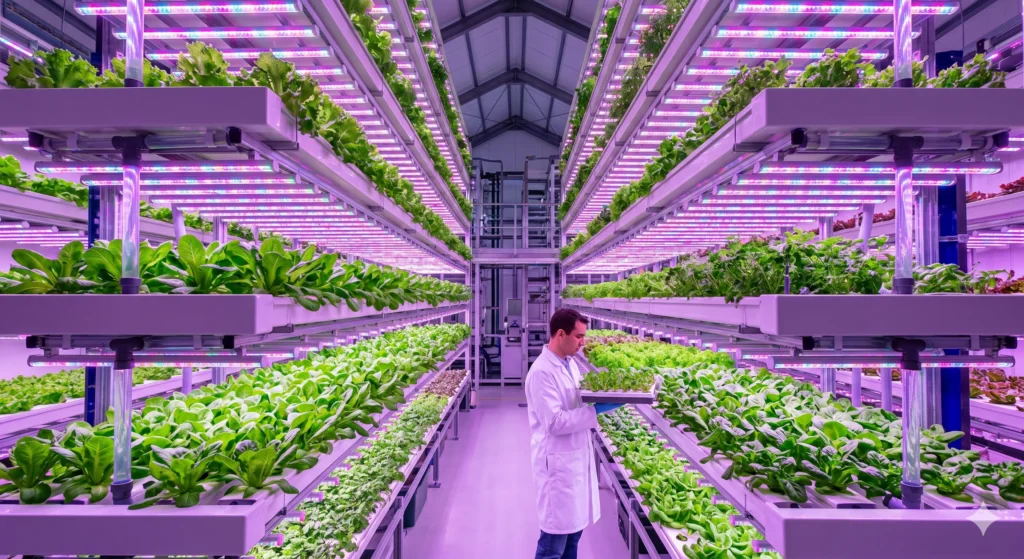
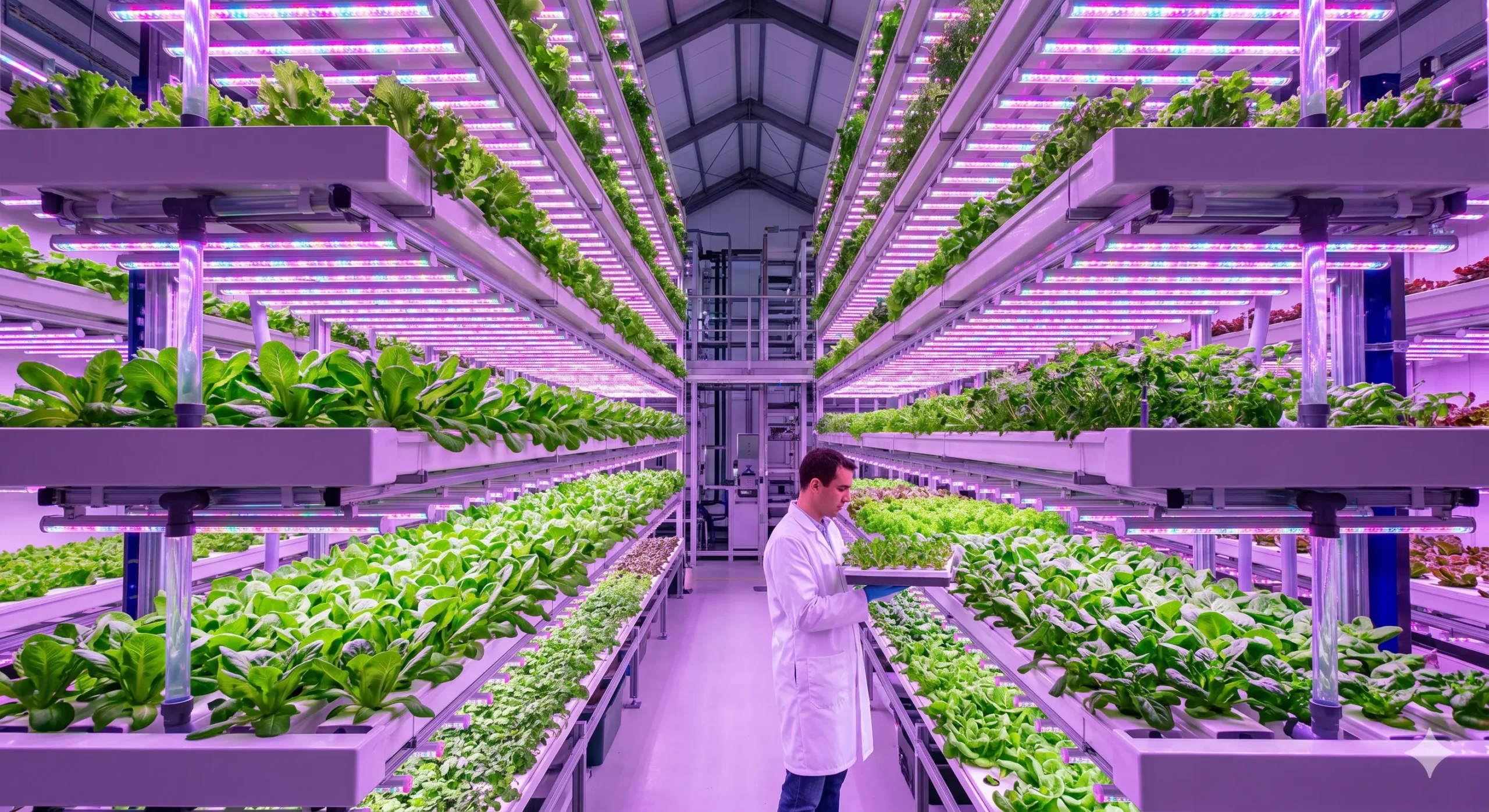
Urban food deserts are a persistent global challenge, with many residents lacking access to fresh, healthy produce. But a high-tech solution is gaining traction: vertical farming. This is not simply about stacking plants; it is an optimized and sophisticated system for urban agriculture.
Controlled Environment Agriculture (CEA) is the core of vertical farming. Instead of relying on conventional methods, plants are grown in climate-controlled indoor environments, sometimes in repurposed warehouses or shipping containers. CEA allows vertical farms to control all aspects of the environment, including temperature, humidity, light, and nutrient levels, to optimize plant growth and maximize yield.
Vertical farming has several advantages over traditional farming:
- Efficient Use of Space: Plants are grown in stacked layers, allowing for significantly higher yields per square meter than traditional farms.
- Reduced Water Use: Hydroponic and aeroponic systems use up to 90% less water than soil-based farming.
- Year-Round Production: Indoor farms are not dependent on weather or seasons, enabling a consistent supply of fresh produce throughout the year.
- No Pesticides: The controlled environment eliminates the need for pesticides and herbicides.
- Shortened Supply Chain: Food is grown in close proximity to consumers, reducing transport costs and carbon emissions.
For urban populations who struggle with food insecurity and limited access to fresh, healthy produce, vertical farming is a innovative and sustainable solution. While it requires significant initial investment and high energy consumption for LED lighting, vertical farming offers a powerful way to make fresh, healthy food accessible to everyone.