For generations, the possibility of life on Mars and the potential for human exploration has captured the public imagination. Over the next decade, a series of groundbreaking missions and technologies will advance our understanding of the Red Planet and lay the groundwork for a eventual crewed mission.
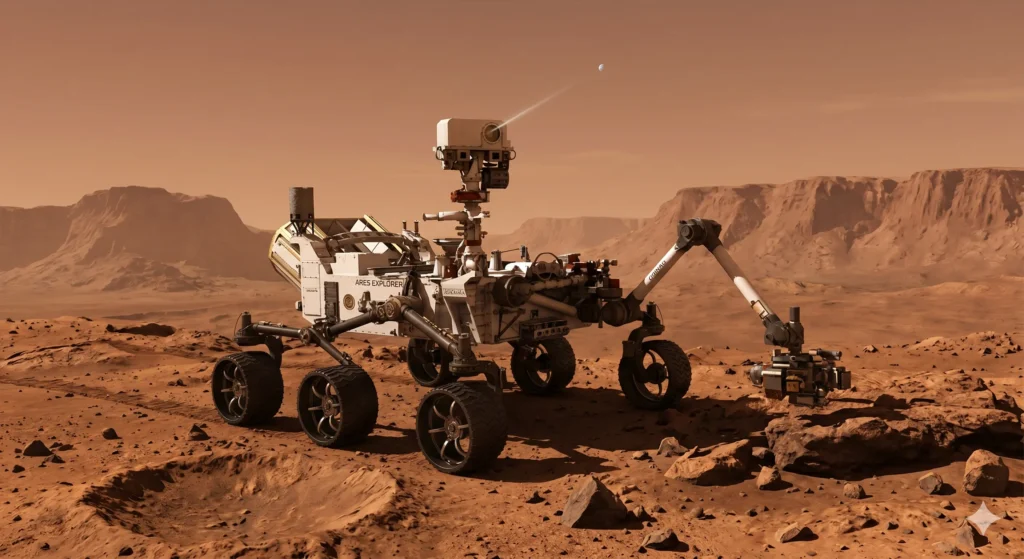
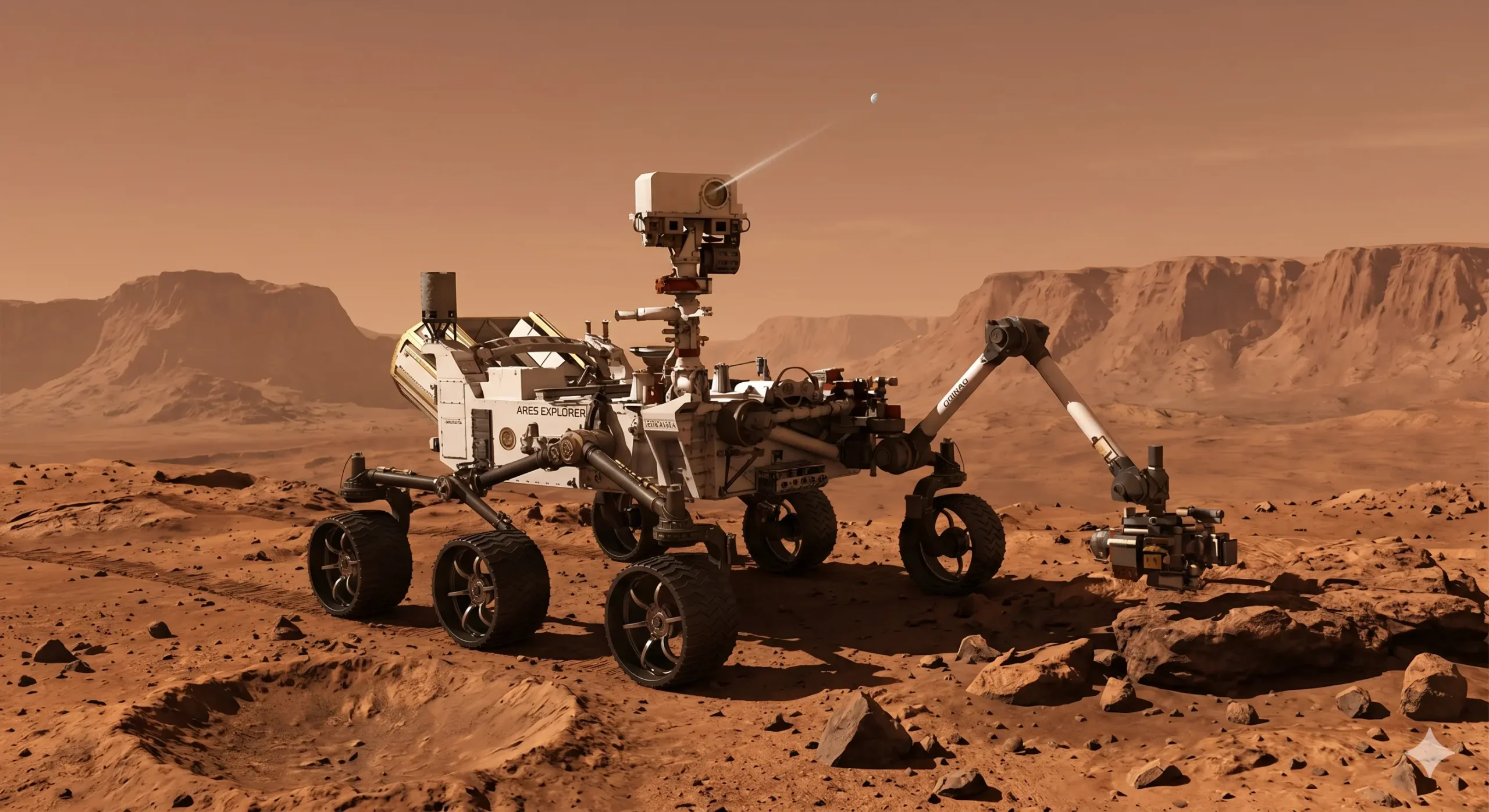
We are entering a new era of Martian exploration. After years of successful robotic missions and orbiting observatories, the first rovers and helicopters are paving the way for a more sophisticated generation of robotic and human exploration.
Mars Sample Return (MSR), a joint mission between NASA and the European Space Agency, is a top priority for the next decade. MSR is a complex, multi-stage mission designed to collect samples from the Martian surface, prepare them for transport back to Earth, and return them in a secure container. This is a crucial step for answering questions about Martian geology, atmosphere, and past or present life.
The development of heavy-lift launch systems is also a key enabler. SpaceX’s Starship and NASA’s Space Launch System (SLS) are both capable of sending significantly larger payloads to Mars, which will support larger robotic missions and eventually, crewed missions.
What can we expect over the next decade of Mars exploration?
- Sophisticated Robotic Explorers: Advanced rovers with improved autonomy and scientific instruments will be deployed.
- In-Situ Resource Utilization (ISRU): Technology for extracting resources like water and fuel from the Martian environment will be tested.
- Human-Rating Mars Transit Systems: The technical challenges of sending crew to Mars, including radiation shielding, life support systems, and navigation, will be addressed.
With a strong emphasis on cooperation and innovation, the next decade of Mars exploration is poised to yield groundbreaking scientific discoveries and move us a significant step closer to the human exploration of the Red Planet.